Soft Watercolor Pattern: A Versatile Design Element for Creative Projects
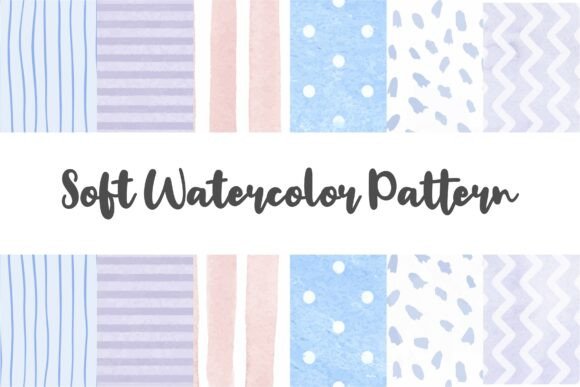
Designers, crafters, and artists are always on the lookout for unique elements that can elevate their work. One such resource gaining popularity is the Soft Watercolor Pattern. This charming set of 6 high-resolution patterns offers a blend of delicate textures and vibrant color details, making it an ideal addition to a wide range of creative projects—from stationery and scrapbooking to textiles and digital graphics. Understanding what sets Soft Watercolor Patterns apart from other design resources can help you determine whether they align with your current needs.
What Is a Soft Watercolor Pattern?
A soft watercolor pattern refers to a repeating design motif created using watercolor techniques that emphasize gentle hues, subtle brushstrokes, and organic shapes. These patterns often mimic the hand-painted look of traditional watercolor art, offering a sense of warmth and authenticity in digital form. The term "soft" typically relates to the visual weight and tone—these designs avoid harsh lines and bright contrasts, instead favoring a more pastel or muted aesthetic while still retaining colorful vibrancy.
The Soft Watercolor Pattern set includes both PNG and EPS file formats, ensuring compatibility across various platforms and tools. Whether you're working with Adobe Photoshop, Illustrator, Canva, or any vector-based software, these files provide flexibility in scaling and editing. Each pattern is crafted to be visually engaging yet versatile enough to serve as background textures, overlays, or standalone illustrations.
Distinctive Features of Soft Watercolor Patterns
- Vibrant, Colorful Detail: While the term "soft" might suggest minimalism, these patterns actually feature rich, colorful elements that add depth and interest without overwhelming the viewer.
- High-Resolution Files: With 6 PNG and 6 EPS files included, users can maintain crisp visuals even when zoomed in or printed at large sizes.
- Cute and Cheerful Aesthetic: Perfect for creating uplifting and inviting designs, these patterns bring a playful yet elegant touch to projects like invitations, greeting cards, and children's books.
- Easy Integration: Their format allows seamless use in both print and digital media, supporting layering and blending modes for custom effects.
These features make Soft Watercolor Patterns particularly well-suited for those who value the charm of hand-drawn elements but require the efficiency of digital assets. Unlike flat vector designs or rigid geometric patterns, these motifs offer a softness and fluidity that can enhance visual storytelling and evoke a personal, artistic feel.
Comparing Soft Watercolor Patterns to Other Design Resources
In the world of digital design, there are many types of patterns available, each catering to different styles and purposes. Here’s how Soft Watercolor Patterns stack up against some common alternatives:
1. Flat Vector Patterns
Flat vector patterns are minimalist in nature, using solid colors and clean lines. They’re excellent for modern, professional designs where simplicity is key. However, they may lack the visual texture and emotional resonance that Soft Watercolor Patterns provide. If your project requires a more organic and whimsical feel, the soft watercolor style could be the better choice.
2. Geometric and Abstract Patterns
Patterns featuring geometric shapes or abstract forms tend to focus on structure and symmetry. These are often used in branding, website backgrounds, or fashion prints where boldness and clarity are desired. In contrast, Soft Watercolor Patterns offer a more relaxed and artistic vibe, which can complement softer themes or more personal-oriented content.
3. Digital Stamped or Ink Patterns
Digital stamped patterns emulate the look of ink stamps or embossed textures. While they can add a vintage or formal touch to designs, they sometimes come off as too rigid or structured. Soft Watercolor Patterns, by comparison, introduce a gentler, more fluid appearance that can soften the overall look of a design.
4. Hand-Drawn Sketch Patterns
If you're looking for raw, unrefined creativity, hand-drawn sketch patterns might seem like a natural fit. However, these often lack the refinement and consistency found in professionally crafted watercolor patterns. Soft Watercolor Patterns balance artistic flair with polished detail, making them suitable for commercial use and mass production without compromising quality.
Strengths and Tradeoffs of Using Soft Watercolor Patterns
When considering whether to incorporate Soft Watercolor Patterns into your workflow, it's important to weigh their strengths against potential tradeoffs:
Strengths
- Visual Appeal: The soft and vibrant nature of these patterns makes them ideal for adding a decorative yet tasteful element to designs.
- Flexibility: Available in both raster (PNG) and vector (EPS) formats, they can be adapted for multiple uses, including web graphics, print materials, and embroidery templates.
- Time-Saving: As pre-made, high-quality assets, they eliminate the need to create custom patterns from scratch, speeding up the design process.
- Scalability: EPS files allow for infinite resizing without loss of quality, making them especially useful for textile printing or large-format displays.
Potential Limitations
- Less Suitable for Minimalist Designs: If your project leans toward a sleek, modern aesthetic, the soft and detailed nature of these patterns may not align with the desired outcome.
- Color Overlap Consideration: Because of their intricate detail, these patterns may not work well over highly saturated or busy backgrounds, potentially reducing readability or visual clarity.
- Not Ideal for High-Contrast Themes: For designs that rely on strong contrasts or monochromatic schemes, the softer tones might not stand out as effectively.
Best-Fit Situations for Soft Watercolor Patterns
Soft Watercolor Patterns shine brightest in specific scenarios where their characteristics complement the overall design goals. Here are a few examples of when they are particularly effective:
- Invitations and Stationery: Their whimsical and elegant nature makes them perfect for baby showers, weddings, birthdays, or thank-you cards. They can add a personal touch that elevates the perceived effort and care behind the design.
- Scrapbooking and Journalling: The patterns are great for embellishing pages with a cohesive theme. Their gentle color palette ensures they don’t overpower handwritten notes or photographs.
- Textile and Fabric Design: With high-resolution EPS files, these patterns can be scaled for fabric printing, providing a consistent and attractive look for apparel, home décor, or accessories.
- Digital Art and Social Media Graphics: When layered subtly, they can add depth and interest to flat layouts, helping online content stand out while maintaining a warm, approachable feel.
Alternatives and When to Choose Them
While Soft Watercolor Patterns are incredibly versatile, they may not always be the best option. Let’s explore when alternative design choices might be more appropriate:
When Simplicity Matters More Than Style
If you're designing something like a business report, technical manual, or data visualization, a flat vector pattern or a simple gradient might be more suitable. In these cases, visual clutter can hinder readability, so opting for cleaner design elements is essential.
For Bold Branding or Corporate Use
Brands that prioritize modernity, professionalism, or corporate identity may prefer geometric or abstract patterns that reflect structure and precision. Soft Watercolor Patterns, though beautiful, might not convey the same level of authority or sophistication required for certain logos or marketing collateral.
When Customization Is Key
If your project demands a completely unique pattern tailored to a specific theme or brand identity, hiring an illustrator or using customizable pattern generators could be a better investment. While Soft Watercolor Patterns are adaptable, they are pre-designed and may not perfectly match every creative vision.
How to Incorporate Soft Watercolor Patterns Effectively
To maximize the impact of Soft Watercolor Patterns in your work, consider the following practical tips:
- Layer Smartly: Use these patterns as overlays rather than dominant elements. Adjust opacity or blend modes (such as Multiply or Overlay) to integrate them seamlessly with other design components.
- Pair with Complementary Fonts: Opt for cursive or script fonts to echo the handcrafted feel of the patterns. Sans-serif or serif fonts can also work if the rest of the design maintains a similar soft tone.
- Balance with White Space: To prevent overcrowding, especially in print or stationery, ensure there is enough white space to let the patterns breathe and remain visually appealing.
- Use in Thematic Projects: Match the pattern to the subject matter—for example, floral watercolor patterns for spring-themed invites or animal motifs for children’s crafts.
Real-World Examples of Soft Watercolor Pattern Usage
Let’s look at a few real-world applications where these patterns have been successfully implemented:
- Wedding Invitations: A designer used one of the Soft Watercolor Patterns as a background for a rustic-themed wedding suite. The pattern featured delicate botanical elements, which matched the hand-lettered calligraphy and added a cohesive, romantic feel.
- Children’s Book Covers: An author incorporated a playful watercolor pattern into the cover design of a picture book. The EPS file allowed for precise alignment with text elements, while the colorful details engaged young readers.
- Fabric Prints for Home Décor: A small business owner scaled one of the patterns to full-size for a line of throw pillows and wall hangings. The soft, flowing design provided an artisanal appeal that attracted customers seeking cozy, handmade aesthetics.
Key Decision Factors When Choosing a Pattern Set
Selecting the right pattern for your design involves more than just picking the most aesthetically pleasing option. Consider the following factors to ensure your choice supports your project's goals:
- Target Audience: Are you designing for adults or children? For a professional setting or a casual event? Soft Watercolor Patterns tend to resonate with younger demographics and lifestyle brands.
- Medium of Use: Will the design be printed or displayed digitally? Both PNG and EPS formats in this set cater to different mediums, but understanding your end-use helps optimize file selection.
- Brand Identity: Does the pattern align with your brand’s personality? A whimsical pattern may clash with a more serious or luxury-focused image.
- Project Timeline: If you're under tight deadlines, using pre-made patterns like the Soft Watercolor set can save significant time compared to custom illustration work.
Final Thoughts on Evaluating Soft Watercolor Patterns
Soft Watercolor Patterns are a valuable tool in the creative arsenal, especially for those who want to infuse their projects with charm and character. They bridge the gap between digital efficiency and artistic expression, offering a refined version of the hand-painted look that resonates with a wide audience. However, their effectiveness depends on context, purpose, and execution.
Before finalizing your decision, ask yourself: Do I need a pattern that adds warmth and whimsy? Is my project suited to a softer, more illustrative style? Will the pattern complement or compete with other design elements? By answering these questions thoughtfully, you can choose the best fit for your needs—whether it's Soft Watercolor Patterns or another resource entirely.
Ultimately, the goal is to enhance your design without overshadowing its message or function. Soft Watercolor Patterns are a great starting point for many, but evaluating your specific requirements will lead to the most impactful results.