Pastel Flowers Floral Pattern: A Timeless Choice for Spring Creativity
The Pastel Flowers Floral Pattern is a versatile and elegant design element that has captured the imagination of creators, decorators, and fashion designers alike. With its soft watercolor pastel flowers arranged in a seamless floral pattern, this design brings a sense of springtime freshness to any project it adorns. Whether you're working on print designs, fabric patterns, or home decor accents, these gentle hues and vintage-inspired motifs offer a unique blend of romance and bohemian charm.
Characteristics of the Pastel Flowers Floral Pattern
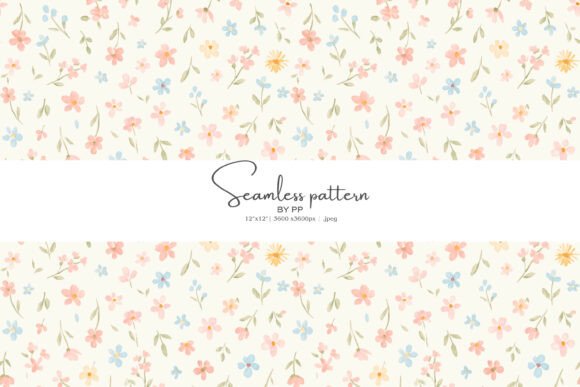
At its core, the Pastel Flowers Floral Pattern features an intricate arrangement of blooming flowers rendered in a delicate watercolor style. The palette consists of muted shades such as lavender, peach, mint, and blush pink—colors that evoke the softness of early spring and the tranquility of nature. These flowers are often layered with subtle gradients and soft edges, creating a dreamy aesthetic that is both eye-catching and soothing to the viewer.
The patterns are designed to be seamless, which means they can be tiled without visible breaks or repetitions. This makes them especially useful for large-scale projects where continuity is essential. Available in four distinct variations, each pattern offers a slightly different composition, ensuring there's something to suit every creative need.
All files are provided in high-resolution .jpeg format, with dimensions of 3600x3600 pixels at 300dpi. This level of detail ensures crisp printing and scalability, making them suitable for both digital and physical applications.
Applications in Creative Projects
One of the standout qualities of the Pastel Flowers Floral Pattern is its adaptability across various industries and mediums. In the realm of spring print projects, this pattern can be used to create greeting cards, invitations, and packaging materials that stand out with their soft, romantic appeal. Its pastel tones are particularly effective when paired with white or light-colored backgrounds, allowing the design to breathe and shine.
For those in the boho fabric design sector, the pattern offers endless possibilities. From flowy dresses and scarves to patchwork quilts and wall hangings, the soft watercolor flowers add a whimsical yet refined touch. The bohemian style thrives on organic shapes and relaxed color palettes, making the Pastel Flowers Floral Pattern an ideal fit for collections inspired by nature and free-spirited aesthetics.
When it comes to romantic home decor accents, this floral pattern finds a natural home in textiles like curtains, tablecloths, and pillow covers. It can also be applied to wallpaper, canvas prints, and even ceramic surfaces for a cohesive and charming interior look. The vintage feel of the design adds depth and character to modern spaces, bridging the gap between contemporary and traditional styles.
Why Designers Love the Pastel Flowers Floral Pattern
Designers appreciate the Pastel Flowers Floral Pattern for several reasons. First, its timeless quality allows it to remain relevant across seasons and trends. Unlike bold or highly stylized patterns that may date quickly, the subtlety of this design ensures longevity in both personal and professional use.
Second, the seamless nature of the pattern eliminates the need for complex editing when tiling. This feature saves time and effort during production, especially when scaling up for larger formats. The high resolution also supports excellent print quality, which is crucial for anything from fashion to stationery.
Third, the pattern’s soft color scheme is incredibly versatile. It pairs well with minimalist layouts, maximalist arrangements, and everything in between. The gentle tones complement a wide range of color palettes, making it easy to integrate into existing brand identities or personal style preferences.
Use Cases Across Industries
In the fashion industry, the Pastel Flowers Floral Pattern is often used in seasonal collections, particularly for spring and summer wear. Its lightweight appearance and romantic undertones make it perfect for feminine apparel, accessories, and even children's clothing lines.
Graphic designers frequently incorporate this pattern into branding materials for lifestyle and wellness companies. Think yoga studios, boutique hotels, and artisanal skincare brands. The pattern enhances the visual identity by reinforcing themes of serenity, beauty, and connection to nature.
Interior decorators find the soft watercolor pastel flowers to be a valuable asset in curating spaces that feel warm and inviting. The pattern works especially well in bedrooms, living rooms, and cafes where a cozy yet stylish atmosphere is desired. It can be applied to walls, furniture upholstery, or decorative objects to create a focal point that exudes charm.
Business owners who focus on handmade or eco-friendly products often choose this pattern for product labels, gift wrap, and store signage. The aesthetic aligns with the values of sustainability and simplicity while still maintaining an air of sophistication.
Practical Considerations for Use
Before using the Pastel Flowers Floral Pattern in your work, consider the following practical aspects:
- Color harmony: Ensure the pattern complements the rest of your design elements. While the pastel tones are generally versatile, overuse can lead to a washed-out or unbalanced appearance.
- Contrast levels: Since the pattern lacks a transparent background, layering it over darker colors or busy textures might diminish its visibility. Opt for lighter or neutral backdrops to maintain clarity and impact.
- Printing requirements: Confirm that your printer can handle high-resolution JPEG files and that the output will preserve the soft gradients and fine details of the original design.
- Copyright and licensing: If you plan to commercialize your work, verify the usage rights associated with the pattern to avoid legal complications.
Real-World Examples and Observations
Several successful brands have used similar pastel floral patterns to great effect. For instance, a popular indie clothing line recently launched a collection featuring a soft watercolor floral pattern akin to the Pastel Flowers Floral Pattern. The result was a line that felt both nostalgic and fresh, appealing to a broad demographic.
In another example, a boutique hotel chain integrated the pattern into their room décor, including throw pillows and custom bedding. Guests praised the ambiance as "calming and artistic," highlighting how the pattern contributed to the overall experience of the space.
Independent artists and hobbyists have also embraced the pattern for DIY crafts, such as hand-painted mugs, embroidered tote bags, and custom phone cases. The accessibility of the design combined with its visual appeal makes it a favorite among those who enjoy adding personalized touches to everyday items.
Trends and Future Relevance
The popularity of pastel floral patterns has seen a resurgence in recent years, driven largely by the rise of minimalist and whimsical design aesthetics. As more consumers seek authenticity and warmth in their surroundings, the demand for patterns like the Pastel Flowers Floral Pattern continues to grow.
Moreover, the trend toward sustainable and artisanal goods has made soft, hand-drawn patterns more desirable. These designs often convey a sense of craftsmanship and individuality that resonates with today’s shoppers. The seamless floral pattern is not only visually pleasing but also functional, making it a smart choice for those looking to stay ahead of design trends.
Looking forward, we can expect to see this type of pattern continue to thrive in both digital and print media. As technology advances and printing methods improve, the ability to bring such detailed and colorful designs into the real world becomes easier than ever before.
How to Integrate the Pattern Effectively
Integrating the Pastel Flowers Floral Pattern into your projects doesn’t require advanced technical skills, but thoughtful application can enhance the final outcome. Here are some tips to help you get started:
- Test scale and placement: Before committing to a full layout, try placing the pattern in different areas and sizes to see what looks best. Sometimes smaller, more strategic placements yield better results than overwhelming coverage.
- Pair with complementary textures: To add depth, consider combining the pattern with other elements such as linen, lace, or wood grain. This technique can give your design a richer, more tactile feel.
- Balance with solid elements: Avoid clutter by balancing the pattern with solid blocks of color or clean typography. This helps maintain readability and visual harmony, especially in marketing or editorial contexts.
- Customize with overlays: You can adjust the opacity or apply subtle filters to match the tone of your project. This flexibility allows the pattern to adapt to a wide variety of themes and purposes.
Aesthetic Versatility and Emotional Impact
One of the most compelling aspects of the Pastel Flowers Floral Pattern is its emotional resonance. Soft pastels are known to promote feelings of calmness and nostalgia, making this pattern a powerful tool for evoking mood and atmosphere. It's no surprise that many educators and researchers use similar designs in learning environments to create a welcoming and inspiring setting.
This emotional impact extends beyond interiors and fashion. In educational materials, the pattern can be used to decorate notebooks, flashcards, or classroom posters. The gentle visuals help reduce stress and encourage creativity, especially in young learners.
Art therapists and mental health professionals have also noted the positive effects of pastel imagery on patients. The subdued tones and flowing forms of the soft watercolor pastel flowers contribute to a sense of peace and relaxation, which is why they’re often featured in therapeutic art activities and healing spaces.
Technical Advantages for Digital and Print Media
Beyond its aesthetic appeal, the Pastel Flowers Floral Pattern offers several technical benefits that make it ideal for both digital and print use. The high-resolution .jpeg format ensures compatibility with a wide range of software and devices, eliminating issues with file corruption or pixelation.
Its 300dpi specification meets industry standards for professional printing, so whether you're producing a catalog, wrapping paper, or a fabric sample, the pattern will retain its clarity and vibrancy. The lack of a transparent background simplifies the integration process for those who prefer a consistent base rather than dealing with complex layering techniques.
Additionally, because the pattern is available in four versions, you can experiment with different compositions without needing to source new assets. This variety supports a more dynamic and engaging workflow, especially when designing multiple pieces within the same theme.
Conclusion
The Pastel Flowers Floral Pattern stands out as a multifaceted and enduring design solution. Whether you're an educator seeking to inspire students, a business owner crafting a memorable brand identity, or a hobbyist exploring new creative avenues, this pattern offers something valuable. Its combination of soft watercolor pastel flowers, seamless tiling, and high-resolution format makes it a go-to resource for anyone aiming to infuse their work with a touch of vintage charm and romantic elegance.
By understanding its characteristics, advantages, and potential applications, you can harness the full power of the Pastel Flowers Floral Pattern to elevate your next project. With careful consideration and thoughtful implementation, this design can become a signature element in your portfolio, helping you connect with audiences on a deeper, more meaningful level.